Skip to content

Table of Contents
Fine lines can show up gradually, then suddenly feel like the first thing you notice in photos, video calls, or daily conversations. For many people researching Botox vs Dysport, the goal is not to look different. It is to look rested, refreshed, and still completely like themselves.
At The Aesthetic Lounge, clients often ask which wrinkle relaxer is better for forehead lines, frown lines, crow’s feet, or overall facial softening. Both Botox and Dysport are trusted neurotoxin treatments, but the right choice depends on your facial movement, treatment area, goals, and provider’s recommendation.
How do Botox and Dysport compare for smoothing expression lines?
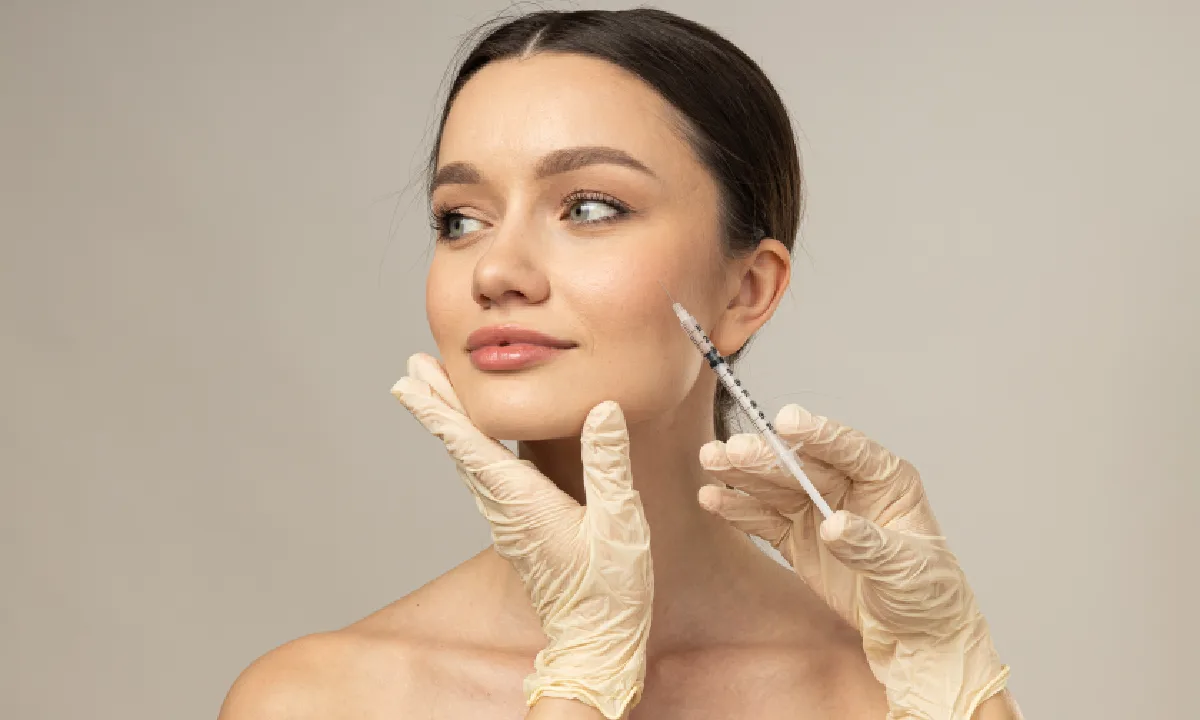
Botox and Dysport are both injectable treatments that relax targeted facial muscles to soften lines caused by repeated expressions, such as frown lines, forehead lines, and crow’s feet. The main differences are how they spread, how quickly results may appear, and how each product responds in your body. The best choice depends on your facial anatomy, treatment goals, and your provider’s recommendation.
Understanding Botox vs Dysport
Botox vs Dysport is one of the most common comparisons in aesthetic medicine because both treatments are designed to address dynamic wrinkles. These are lines caused by repeated facial expressions, such as smiling, squinting, frowning, or raising the eyebrows. Over time, those repeated movements can leave visible creases even when the face is at rest.
Both Dysport injections and Botox treatments use a refined neurotoxin to reduce muscle activity in specific regions temporarily. This helps minimize wrinkles without considerable downtime, surgery, or incisions. Wrinkles on the forehead, crow’s feet, lateral brows, vertical lip lines, chin dimpling, corners of the mouth, and jawline issues are frequently treated.
Botox vs Dysport: How They Work
Botox and Dysport work by interrupting the signal between nerves and the specific facial muscles they innervate. When the treated muscle relaxes, the overlying skin may appear smoother. This does not freeze the entire face when done properly. A skilled injector focuses on softening overactive movement while preserving natural expression.
The goal is balance. Too little product may not create the desired improvement, while too much product or poor placement can make the result look stiff. That is why the injector’s technique matters just as much as the product selected.
What Is Botox?
Botox is one of the most recognized wrinkle relaxers available. It has been used for years to soften fine lines and expression wrinkles in areas such as the forehead, between the eyebrows, and around the eyes. Many clients like Botox because it is familiar, predictable, and commonly used to treat specific areas. It may be a good fit for people who want controlled softening in smaller, more targeted zones, depending on their facial anatomy and movement patterns.
Botox treatment is often chosen for:
- Forehead lines
- Frown lines between the brows
- Crow’s feet
- Brow area refinement
- Lip lines
- Chin dimpling
- Jawline slimming or tension-related concerns
Results usually develop gradually. Some people begin noticing changes within a few days, with fuller results appearing around two weeks after treatment.
What Is Dysport?
Dysport is another popular neurotoxin for wrinkles. Like Botox, it relaxes targeted muscles to reduce the appearance of expression lines. It is often used for frown lines and larger treatment areas where a softer spread may be helpful. Some clients may notice Dysport working slightly sooner, though timing varies from person to person. Dysport injections may also be preferred in certain areas where the provider wants a smooth, blended effect.
Dysport may be considered for:
- Moderate to deep frown lines
- Forehead movement
- Crow’s feet
- Areas where a softer diffusion is desired
- Clients who have used Botox before and want to compare the response
Dysport is not automatically better than Botox, and Botox is not automatically better than Dysport. The better option is the one that fits your muscle strength, anatomy, and desired outcome.
Key Differences Between Botox and Dysport
The biggest differences between Botox and Dysport usually come down to formulation, spread, onset, dosing, and individual response. Botox is often known for precision. It may stay more localized in certain treatment areas, which can be helpful when treating smaller muscles or when the injector wants very controlled placement.
Dysport may diffuse a bit more, which means it can spread slightly farther from the injection point. This can be helpful for broader areas, but it also requires careful technique. Dosing is another important difference. Botox units and Dysport units are not equal. A higher number of Dysport units does not mean the treatment is stronger or more aggressive. The products are simply measured differently.
Onset can also vary. Dysport may begin showing visible changes a little sooner for some clients, while Botox may take several days to start showing its full effect. Both typically settle fully within about two weeks.
Which One Lasts Longer?
Both Botox and Dysport generally last about 3 to 4 months for many clients. Longevity depends on factors such as metabolism, muscle strength, treatment area, dosage, and consistent treatment style.
Someone with stronger facial muscles may notice movement returning sooner. Someone who receives regular wrinkle-relaxer treatments may notice that the results become easier to maintain over time. It is also normal for first-time clients to feel unsure about timing. A consultation helps set realistic expectations, especially if you are preparing for photos, a wedding, a vacation, or another important event.
Which One Looks More Natural?
Natural-looking results depend more on the injector than on the brand name. Botox and Dysport can both look soft and refreshed when the product is placed carefully and conservatively.
The most natural results usually come from assessing the whole face rather than chasing one wrinkle. For example, treating forehead lines without considering brow position can affect expression. Treating frown lines without understanding muscle strength can lead to uneven results. A thoughtful approach keeps movement where it belongs and softens the lines that make the face look tense, tired, or older than you feel.
A Refreshed Look Starts With the Right Conversation
Botox vs Dysport does not have to feel confusing once you understand what each treatment is designed to do. Both can soften expression lines, refresh the face, and help you feel more confident without surgery when performed by an experienced provider. At The Aesthetic Lounge, your treatment plan can be based on your natural features, comfort level, and goals. To compare your options and find out which wrinkle relaxer may suit you best, Book Your Botox and Dysport consultation today!